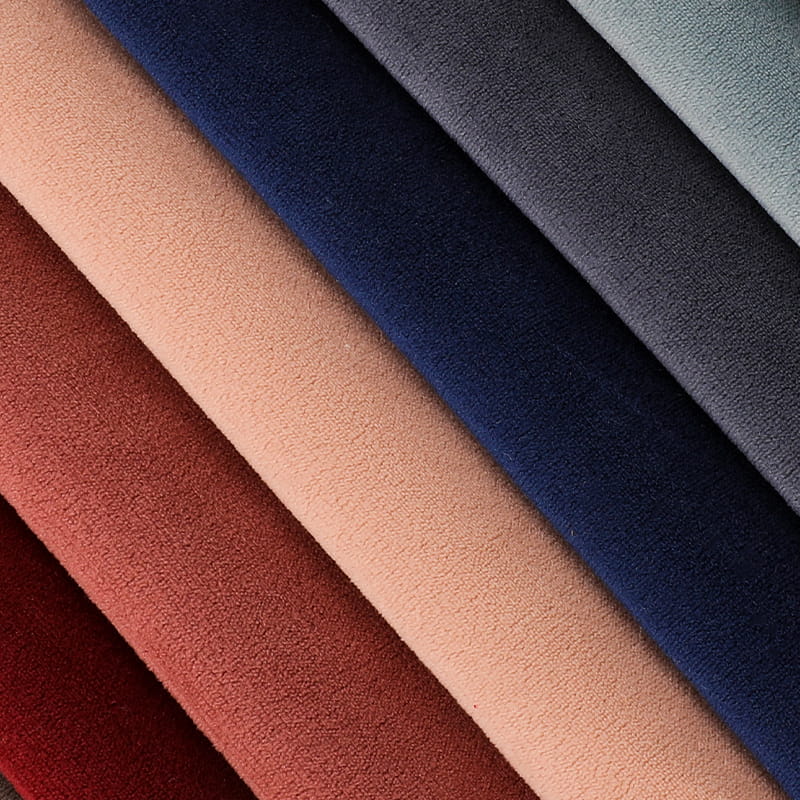
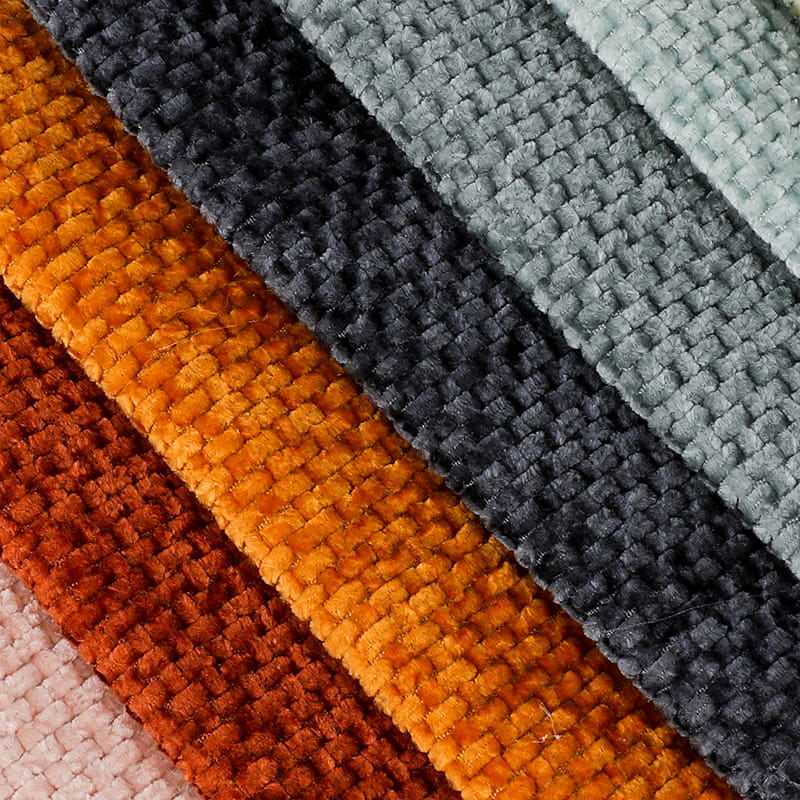
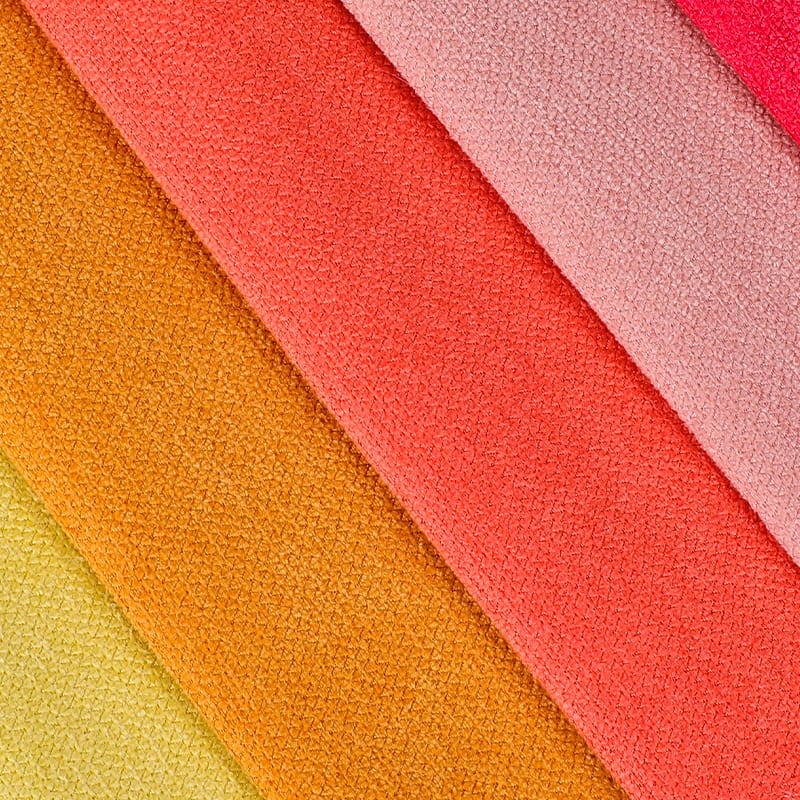
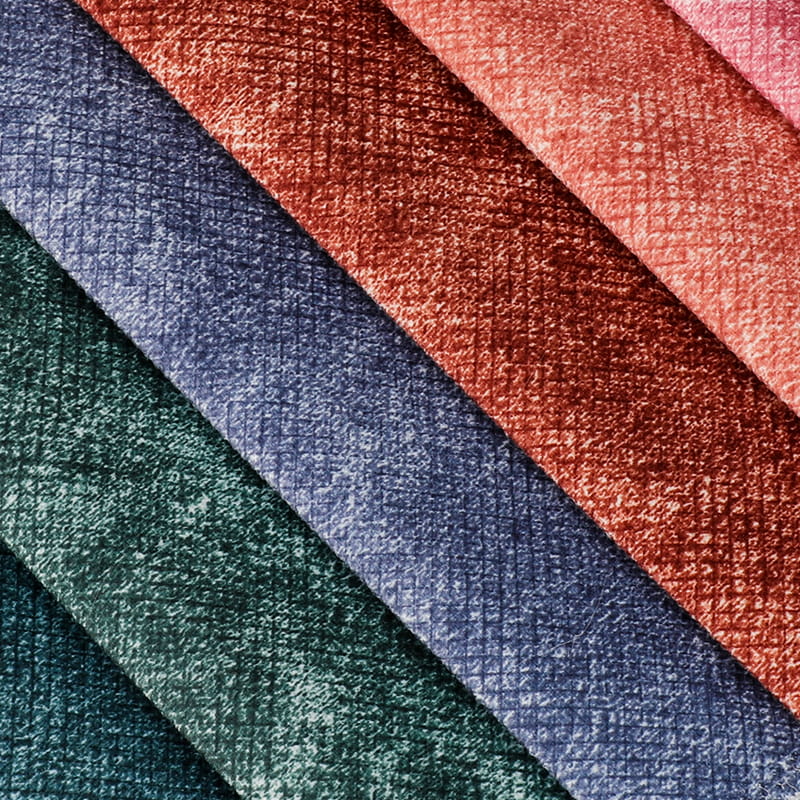
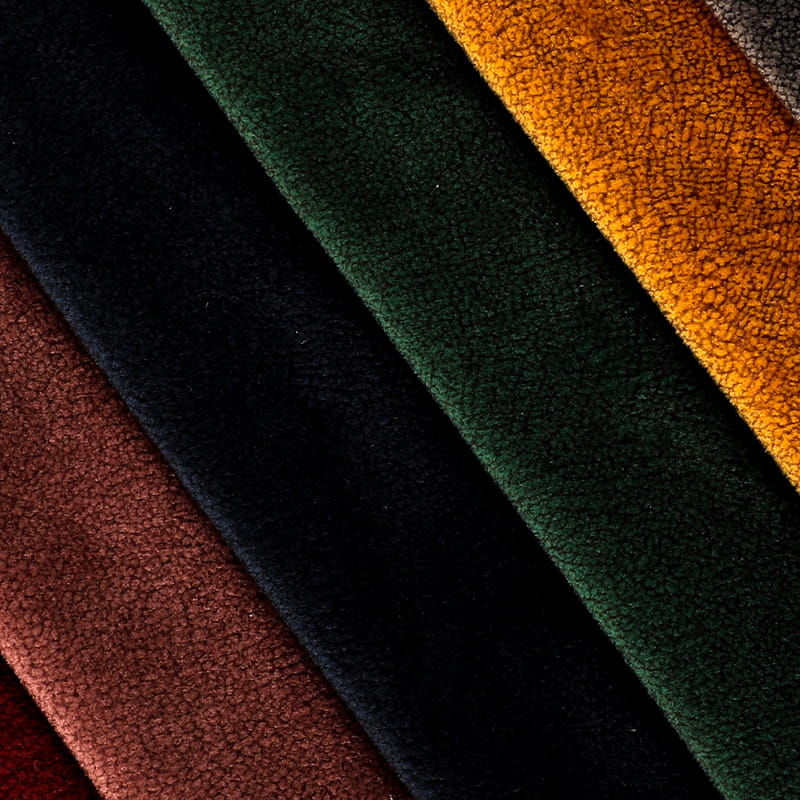
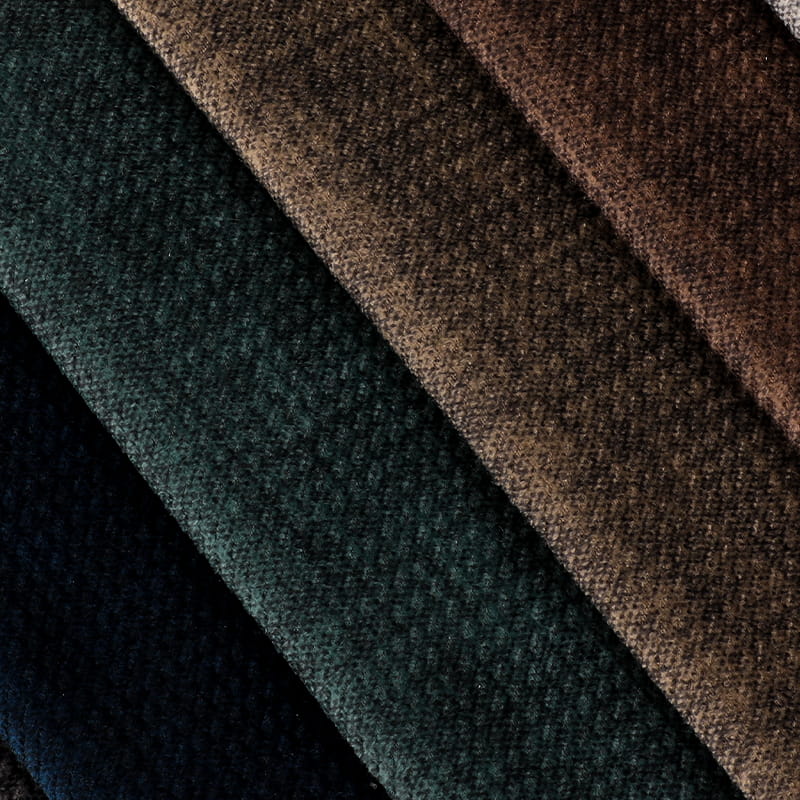
Ketika produsen furnitur atau desainer interior menentukan "kain pelapis beludru", mereka tidak sekadar memilih tekstil lembut. Mereka memilih material yang harus menyeimbangkan kedalaman visual yang khas dengan kinerja terukur dalam ketahanan abrasi, tahan luntur cahaya, dan bersih. Tantangannya adalah istilah "beludru" kini mencakup spektrum konstruksi yang luas—mulai dari beludru katun alami dengan kilau klasik hingga beludru rajutan yang dirancang untuk tempat duduk komersial dengan lalu lintas tinggi. Panduan ini merinci jenisnya, pertimbangan manufaktur yang memengaruhi daya tahan, logika pemilihan untuk berbagai proyek, dan rutinitas pemeliharaan yang melindungi investasi. Perspektif di sini sengaja diarahkan oleh produsen, karena keputusan pengadaan dalam jumlah besar bergantung pada faktor-faktor seperti konsistensi batch dan kemampuan penyelesaian yang jarang ditangani oleh panduan ritel.
Apa yang Membuat Velvet Menjadi Kain Pelapis Pilihan?
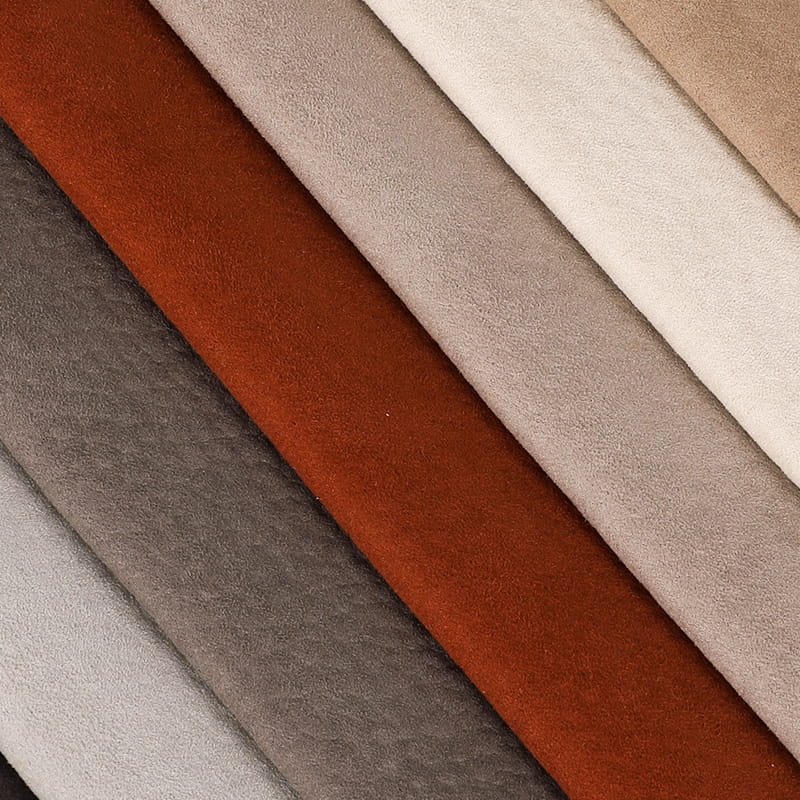
Daya tarik Velvet pada kain pelapis terletak pada struktur tumpukannya yang unik—kumpulan benang potong padat yang berdiri tegak lurus dengan kain dasar, biasanya dengan tinggi antara 1,5 mm dan 3 mm. Struktur inilah yang menciptakan kelembutan khas kain dan kemampuannya memantulkan cahaya secara berbeda tergantung sudut pandang. Untuk sofa atau kursi beraksen, hal ini berarti furnitur yang terasa kokoh dan kaya secara visual, kualitas yang jarang dicapai oleh tenunan polos.
Dari sudut pandang manufaktur, metode pembentukan tiang pancang secara langsung mempengaruhi kinerja. Beludru diproduksi dengan menganyam dua lapis kain secara berhadapan dan memotongnya, atau dengan merajut lusi pada mesin berkecepatan tinggi. Beludru rajutan lusi, seperti yang diproduksi dengan mesin triko Karl Mayer, cenderung menawarkan stabilitas dimensi yang lebih baik dan permukaan tumpukan yang lebih seragam. Inilah sebabnya mengapa banyak produsen kain sofa, termasuk Xincheng Textile dengan 20 set mesin rajut lusi Karl Mayer, lebih menyukai metode ini untuk bahan berkualitas pelapis—metode ini memungkinkan kepadatan yang konsisten dan arah tumpukan yang terkontrol, yang merupakan faktor penting ketika kain diharapkan tahan terhadap penggunaan sehari-hari selama bertahun-tahun.
Jenis Utama Kain Pelapis Beludru
Tidak semua beludru diciptakan sama, dan perbedaannya jauh melampaui warna atau pola. Untuk membuat pilihan praktis, ada baiknya memahami kategori utama yang tersedia di pasar saat ini. Untuk taksonomi varietas beludru yang lebih luas, Anda dapat merujuk ke panduan kami untuk berbagai varietas beludru , namun rincian berikut berfokus secara khusus pada kinerja pelapis.
Beludru Katun dan Beludru Serat Alami
Beludru katun adalah titik referensi tradisional untuk pelapis mewah. Bahan ini memiliki tekstur matte, lembut di tangan, kemampuan bernapas yang sangat baik, dan tampilan alami yang sering kali coba ditiru oleh serat sintetis. Ini adalah pilihan yang tepat untuk pengaturan hunian dengan lalu lintas rendah—seperti sofa ruang tamu formal atau bangku kamar tidur—di mana tujuan utamanya adalah kehalusan estetika daripada daya tahan yang ekstrim.
Namun, kapas beludru memiliki batasan tersendiri: ketahanan terhadap abrasi. Ukuran standar industri adalah tes Wyzenbeek, yang dilaporkan dalam "double rubs." Beludru katun pada umumnya dapat menghasilkan 15.000 hingga 40.000 gosokan ganda, yang dapat diterima untuk penggunaan sesekali tetapi tidak cukup untuk sofa ruang keluarga yang digunakan setiap hari. Bahan ini juga cenderung lebih mudah hancur dan lebih rentan terhadap noda jika tidak diberi perawatan pelindung.
Micro Velvet dan Performance Velvet
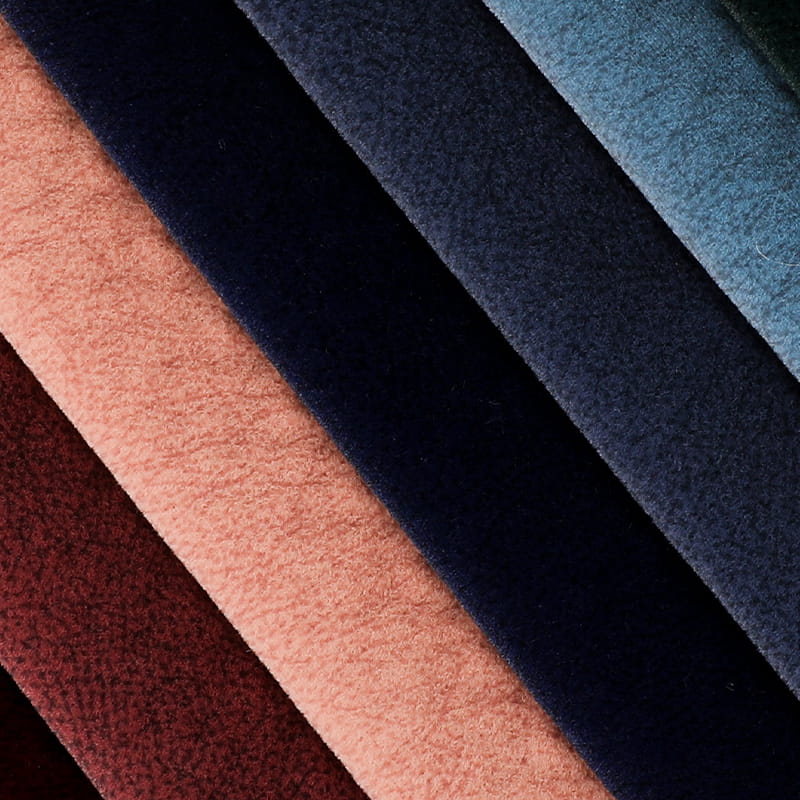
Beludru mikro, biasanya dirajut dari serat mikro poliester atau nilon halus, dikembangkan untuk mengatasi kesenjangan daya tahan beludru alami. Kain ini sering kali diuji dalam kisaran 100.000 hingga 200.000 kali gosokan ganda, sehingga cocok untuk sofa hunian yang sering digunakan dan banyak aplikasi komersial. Serat mikro yang dikemas rapat juga menciptakan permukaan padat yang tahan terhadap penetrasi cairan dan jauh lebih mudah dibersihkan dibandingkan tumpukan kapas.
Keuntungannya adalah nuansa tangan yang sedikit berbeda: beludru mikro seringkali lebih halus dan kurang "mewah" dibandingkan beludru katun, dan kilaunya lebih seragam daripada memiliki kilau serat alami yang halus dan tidak beraturan. Bagi pembeli yang mengutamakan kepraktisan tanpa mengorbankan kelembutan visual, performance beludru saat ini menjadi pilihan dominan di pasar furnitur kelas menengah hingga atas.
Holland Velvet dan Beludru Rajutan Lainnya
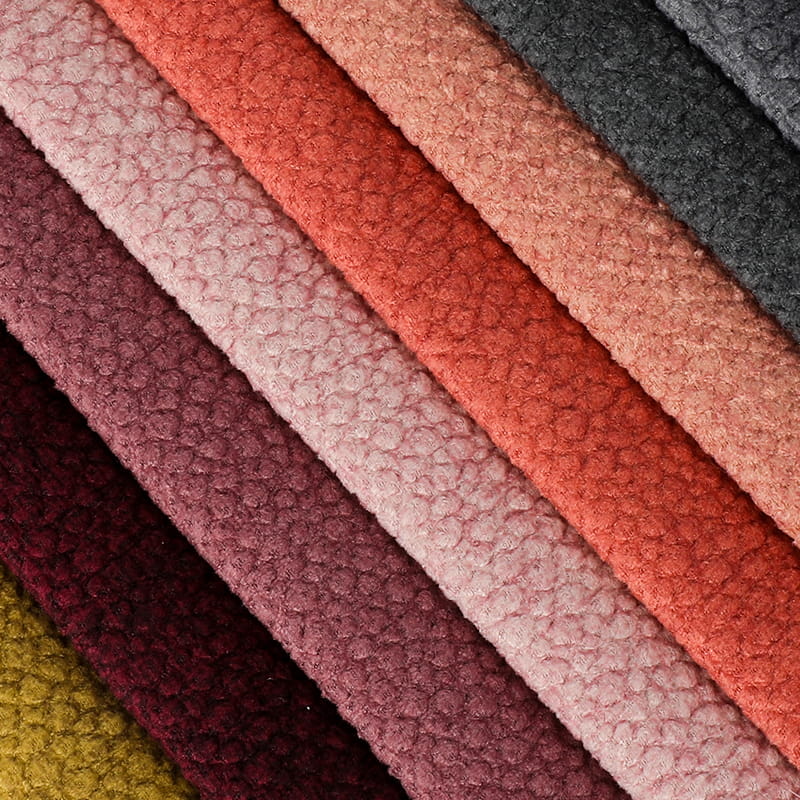
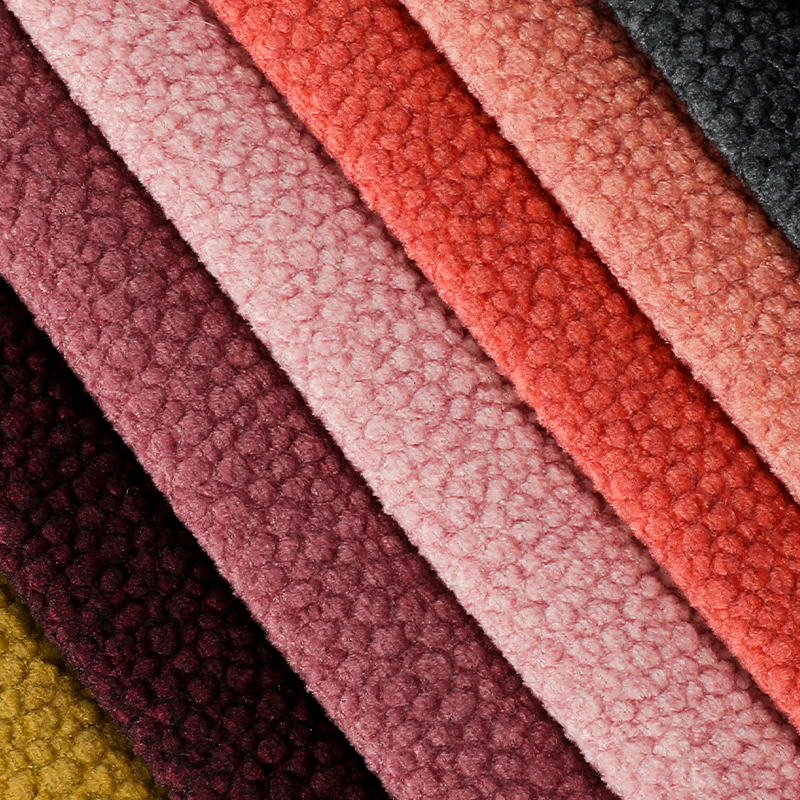
Beludru Holland adalah istilah yang banyak digunakan dalam industri tekstil Tiongkok untuk menggambarkan jenis beludru rajutan lusi tertentu dengan tumpukan pendek, padat, dan tirai yang sangat bagus. Ini adalah bahan pelapis utama di Asia dan semakin banyak diminati oleh pembeli internasional yang membutuhkan alternatif yang hemat biaya dibandingkan beludru tenun tradisional tanpa mengurangi kelembutannya. Struktur rajutannya memberikan elastisitas yang baik, yang membantu saat melapisi rangka furnitur yang melengkung. Jika proyek Anda menuntut kombinasi yang seimbang antara kenyamanan, kelenturan, dan efisiensi produksi, Anda mungkin ingin menjelajahi proyek kami kain furnitur sofa beludru belanda untuk contoh langsung konstruksi ini.
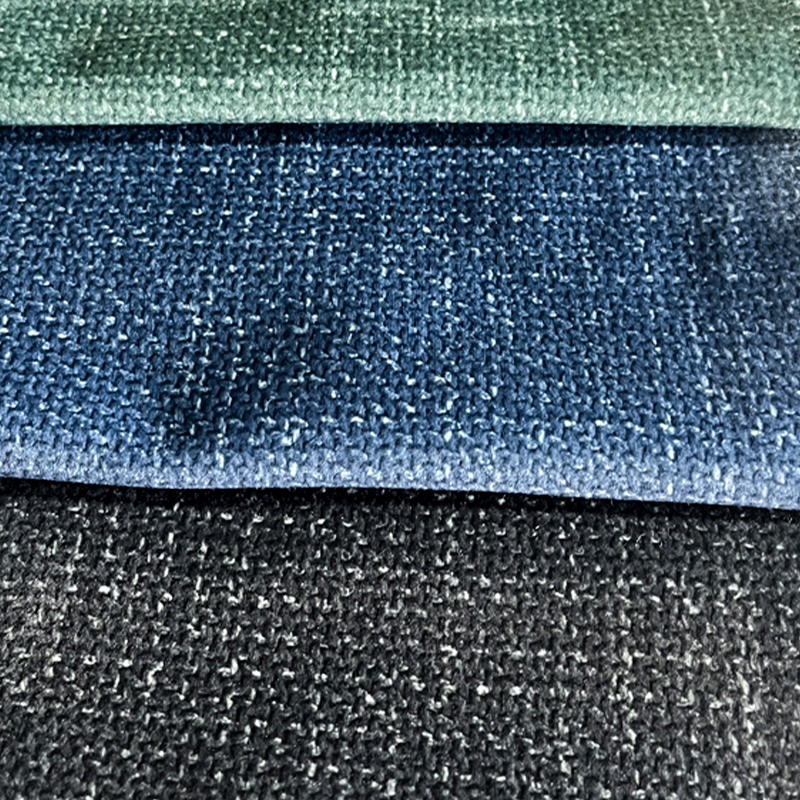 Pemasok Kain Furnitur Sofa Beludru Belanda Grosir, Produsen OEM/ODM Zhejiang Xincheng New Materials Co., Ltd. adalah Pemasok Kain Furnitur Sofa Beludru Belanda grosir Cina dan OEM/ODM Holland Velvet So... Lihat Produk →
 Beludru Khusus: Beludru Timbul, Terbakar, Dicetak, dan Tahan Air
Di luar konstruksi dasar, proses finishing secara dramatis memperluas jangkauan fungsional dan estetika kain pelapis beludru. Ini adalah kategori khusus di mana produsen membedakan lini produknya.
- Beludru timbul: Rol yang dipanaskan menekan pola ke dalam tumpukan, meratakan area tertentu secara permanen untuk menciptakan kilau yang kontras. Ini menambah tekstur dan daya tarik visual tanpa mengubah serat dasar. Efeknya tahan lama namun dapat dihancurkan lebih lanjut di bawah tekanan berat.
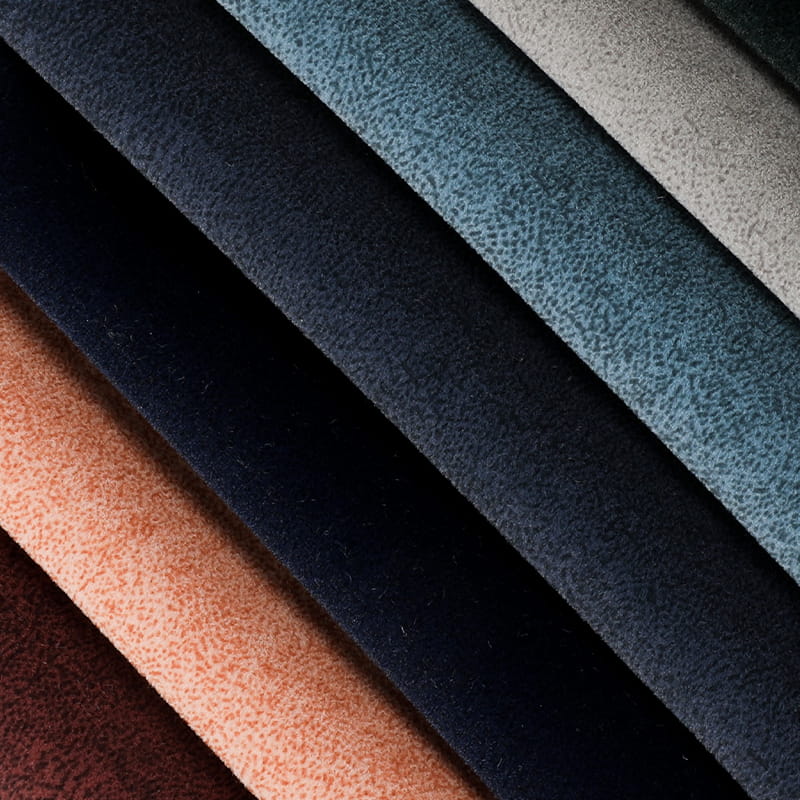
- Beludru kelelahan: Pasta kimia melarutkan sebagian tumpukan atau alas untuk menciptakan pola tergores tipis. Teknik ini populer untuk pelapis dekoratif yang menginginkan tampilan lebih ringan dan rumit. Contoh konkritnya adalah kain sofa furnitur beludru super lembut yang terbakar habis
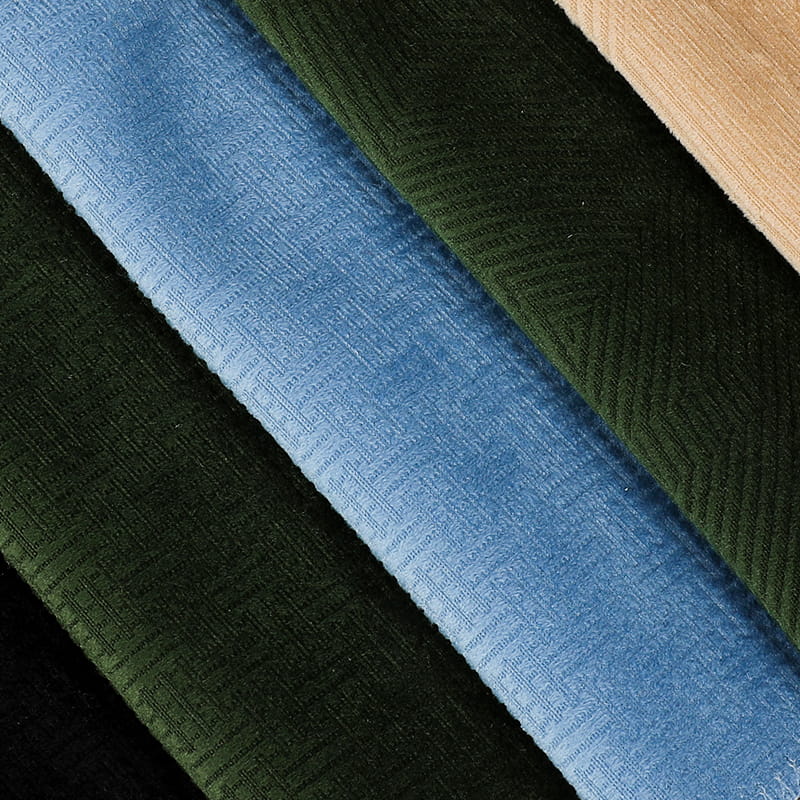 Pemasok Kain Sofa Furnitur Beludru Super Lembut Burnoutout Grosir, OEM/ODM Zhejiang Xincheng New Materials Co., Ltd. adalah Pemasok Kain Sofa Furnitur Beludru Super Lembut Burnoutout grosir Cina dan OEM/ODM Bur... Lihat Produk → , yang menunjukkan bagaimana etsa dapat menciptakan efek permukaan dua warna yang canggih.
 - Beludru cetak: Pencetakan digital atau putar menambahkan pola dan warna yang jelas pada permukaan tumpukan. Ini adalah cara efisien untuk mendapatkan tampilan khusus tanpa membuat pola rumit secara langsung.
- Beludru tahan air: Laminasi atau pelapisan yang diterapkan pada bagian belakang atau permukaan yang mencegah cairan meresap. Ini adalah bagian dari kain beludru teknologi tahan air
 Grosir Pemasok Kain Furnitur Sofa Kursi Tahan Air, Produsen OEM/ODM Zhejiang Xincheng New Materials Co., Ltd. adalah Pemasok Kain Furnitur Sofa Kursi Tahan Air grosir Cina dan Kursi Tahan Air OEM/ODM... Lihat Produk → kategori, yang menjawab meningkatnya permintaan akan bahan tahan noda dan mudah dibersihkan di rumah yang memiliki anak-anak dan hewan peliharaan. Tantangan teknisnya adalah mempertahankan kelembutan tangan sambil menambahkan penghalang fungsional.
Untuk aplikasi gorden, logika finishing yang sama berlaku, namun dengan fokus pada sifat gorden dan pemblokiran cahaya. Jika ruang lingkup Anda mencakup tirai atau panel dekoratif, Anda dapat membandingkan opsi ini tirai kain beludru .
Cara Memilih Kain Pelapis Beludru yang Tepat
Seleksi dimulai dengan analisis yang jelas tentang lingkungan penggunaan akhir, bukan hanya palet warna. Kerangka kerja berikut membantu mempersempit pilihan secara sistematis.
| Kriteria | Lalu Lintas Rendah (Kamar Tidur, Dekoratif) | Lalu Lintas Sedang (Ruang Tamu) | Lalu Lintas Tinggi (Komersial, Keluarga) |
|---|---|---|---|
| Gosok ganda yang disarankan | 15.000 – 30.000 | 30.000 – 60.000 | 100.000 |
| Jenis beludru yang cocok | Beludru katun, beludru rajutan standar | Beludru Belanda, beludru bermotif | Beludru mikro, beludru tahan air |
| Prioritas utama | Estetika dan tekstur | Keseimbangan kenyamanan dan daya tahan | Ketahanan terhadap noda dan keausan |
| Kompleksitas pemeliharaan | Sedang; membutuhkan perawatan yang lembut | Sedang; menyedot debu secara teratur | Rendah; bisa dibersihkan |
Selain tabel tersebut, ada beberapa poin spesifik yang patut mendapat perhatian selama proses evaluasi.
- Tentukan skenario penggunaan Anda: Sofa ruang tamu yang menjadi tempat menonton film malam dan hewan peliharaan memiliki persyaratan yang berbeda secara mendasar dari kursi berlengan formal di ruang belajar. Cocokkan tingkat abrasi kain dengan frekuensi penggunaan sebenarnya.
- Periksa struktur dasar: Bagian belakang beludru (misalnya, bagian belakang bulu domba vs. tenunan polos) memengaruhi perilaku kain selama pelapis. Beludru dengan bahan dasar bulu domba umumnya lebih stabil dan tahan terhadap peregangan, sehingga menyederhanakan pekerjaan pembuat furnitur.
- Evaluasi kebutuhan warna dan kilau: Beludru berkilau tinggi menunjukkan setiap jejak kaki dan tanda keausan. Jika Anda lebih menyukai tampilan yang lebih bersih, pilihlah hasil akhir matte atau bertekstur.
- Pertimbangkan persyaratan lingkungan dan fungsional: Untuk ruang publik atau rumah tangga yang memiliki alergi, hasil akhir tahan air dan lap-clean sering kali lebih penting dibandingkan sentuhan tangan tradisional.
Karena sebagian besar kain pelapis beludru berakhir di sofa dan kursi berlengan, ada baiknya untuk meninjaunya koleksi kain sofa untuk melihat bagaimana kriteria ini diterjemahkan ke dalam produk yang tersedia. Di sinilah pembeli massal harus mulai memikirkan konsistensi batch-to-batch, sebuah topik yang memisahkan pemasok yang dapat diandalkan dari pemasok transaksional.
Wawasan Manufaktur: Yang Harus Diketahui Pembeli Tentang Pengadaan Beludru Massal
Saat membeli beludru dalam skala besar, kualitas yang melekat pada kain hanyalah salah satu bagian dari persamaan. Kemampuan manufaktur pemasok berdampak langsung pada konsistensi, kemungkinan penyesuaian, dan waktu tunggu. Berdasarkan pengalaman produksi Xincheng Textile selama 21 tahun, berikut adalah pertanyaan dari sisi pemasok yang harus ditanyakan oleh setiap manajer pengadaan.
- Kemampuan penyelesaian: Nilai kain beludru sangat ditentukan setelah meninggalkan mesin rajut. Apakah pemasok mengontrol lini finishingnya sendiri untuk embossing, pencetakan, atau kedap air? Kontrol internal, seperti yang dilaporkan Xincheng Textile dengan lima proses penyelesaiannya, menghasilkan kontrol kualitas yang lebih ketat dan iterasi yang lebih cepat pada desain khusus.
- Konsistensi warna di seluruh batch: Desain yang terlihat sempurna dalam satu gulungan bisa gagal jika kumpulan berikutnya mengalami perubahan warna yang halus. Tanyakan tentang tim jaminan kualitas pemasok dan protokol mereka untuk memantau varian warna. Xincheng Textile menyatakan bahwa mereka mempekerjakan sekitar 30 staf QC yang berdedikasi pada masalah ini, yang merupakan indikator kematangan proses yang berarti.
- Pengembangan pola khusus: Jika proyek Anda memerlukan pola kepemilikan, verifikasi apakah pabrik dapat menangani jalur desain hingga produksi, mulai dari karya seni digital hingga barang jadi yang dicetak atau ditenun.
- Kapasitas produksi: Output bulanan sebuah pabrik menentukan kemampuannya untuk memenuhi tenggat waktu pesanan yang besar. Untuk konteksnya, Xincheng Textile melaporkan kapasitas produksi bulanan sebesar 1,5 juta meter, sebuah skala yang memungkinkan pengisian ulang secara stabil pada lini produk yang sudah berjalan lama.
Prinsip dasarnya adalah proses manufaktur yang konsisten akan mengubah sampel yang indah menjadi lini produk yang andal.
Cara Membersihkan dan Merawat Kain Pelapis Beludru
Perawatan yang tepat akan memperpanjang umur beludru secara signifikan, namun rutinitas yang benar bergantung pada jenis serat dan hasil akhir. Langkah-langkah berikut mencakup protokol umum untuk sebagian besar kain pelapis beludru.
- Menyedot debu secara teratur: Gunakan sikat lembut setidaknya seminggu sekali untuk mencegah debu dan pasir menempel pada tumpukan. Selalu menyedot debu searah dengan tumpukan agar tidak hancur.
- Bertindak cepat terhadap tumpahan: Segera bersihkan cairan dengan kain putih bersih dan kering. Jangan digosok karena akan membuat noda semakin dalam dan merusak tumpukan. Untuk sebagian besar noda, kain yang sedikit lembap dengan deterjen lembut sudah cukup, tetapi uji terlebih dahulu pada area yang tidak mencolok.
- Hindari sinar matahari langsung: Paparan sinar UV dalam waktu lama akan memudarkan pewarna, terutama pada beludru serat alami. Posisikan furnitur jauh dari jendela atau gunakan perawatan jendela.
- Menghidupkan kembali tumpukan yang hancur: Jika beludru telah diratakan dengan cara didiamkan, gunakan pengukus genggam yang berjarak beberapa sentimeter, lalu sikat perlahan tumpukan tersebut dengan sikat lembut untuk mengembalikan arah tegaknya.
- Pembersihan mendalam profesional: Untuk kekotoran skala besar atau setelah beberapa tahun digunakan, hubungi layanan pembersihan jok profesional. Mereka memiliki peralatan komersial yang dapat mengekstraksi kotoran tanpa merusak struktur tiang pancang.
Kebersihan beludru secara historis menjadi keraguan pembeli. Namun, beludru sintetis dan olahan telah banyak mengatasi masalah ini. Untuk pembahasan lebih dalam mengenai kelebihan dan keterbatasan bahan secara umum, termasuk panduan mencuci, bisa lihat panduan perawatan beludru terperinci kami .
Kesimpulan: Kain Pelapis Beludru sebagai Investasi Jangka Panjang
Kain pelapis beludru tetap menjadi pilihan utama di furnitur perumahan dan komersial karena secara unik memadukan kehangatan sentuhan dengan berbagai pilihan kinerja. Kuncinya adalah menjauh dari gagasan bahwa "beludru adalah bahan tunggal" dan mengakuinya sebagai kategori dengan solusi teknis untuk hampir setiap kasus penggunaan. Dengan mencocokkan tingkat abrasi kain dan jenis finishing dengan permintaan sebenarnya dari proyek tersebut, dan dengan memilih produsen dengan kontrol produksi yang transparan, Anda dapat menerapkan beludru dengan percaya diri dalam suasana mulai dari ruang santai formal hingga ruang keluarga yang sibuk. Bahannya bukan lagi sekedar pernyataan kemewahan; ini adalah investasi yang diperhitungkan dalam estetika dan umur panjang.